Paul-Emile Rioux
"I create digital virtual worlds to tear a window in what we feel to be true. Skyscraper forests cohabitate with suburban deserts and open horizons. The appearance of anything being real is deceptive: all of this is imaginary, viral, or mathematically altered. From the fascination/vertigo of looking, maybe we'll rethink our occupation of territories and natural resource usage. "
"I create digital virtual worlds to tear a window in what we feel to be true. Skyscraper forests cohabitate with suburban deserts and open horizons. The appearance of anything being real is deceptive: all of this is imaginary, viral, or mathematically altered. From the fascination/vertigo of looking, maybe we'll rethink our occupation of territories and natural resource usage. "
Paul-Émile Rioux (2021)
Digital artist Paul-Émile Rioux lives and works in Montreal, Canada. He first studied animation at Concordia University, has a career as professional photographer and, in parallel, started exploring 3D software in the early 90s. Creating virtual worlds rapidly became his passionate main pursuit.
From the onset, Rioux had no intention of matching IRL expectations of what digital art 'should' look like, but strives to play with our notions of what's real, what's not, how we remember, and how we infer meaning into imaginary visual constructs.
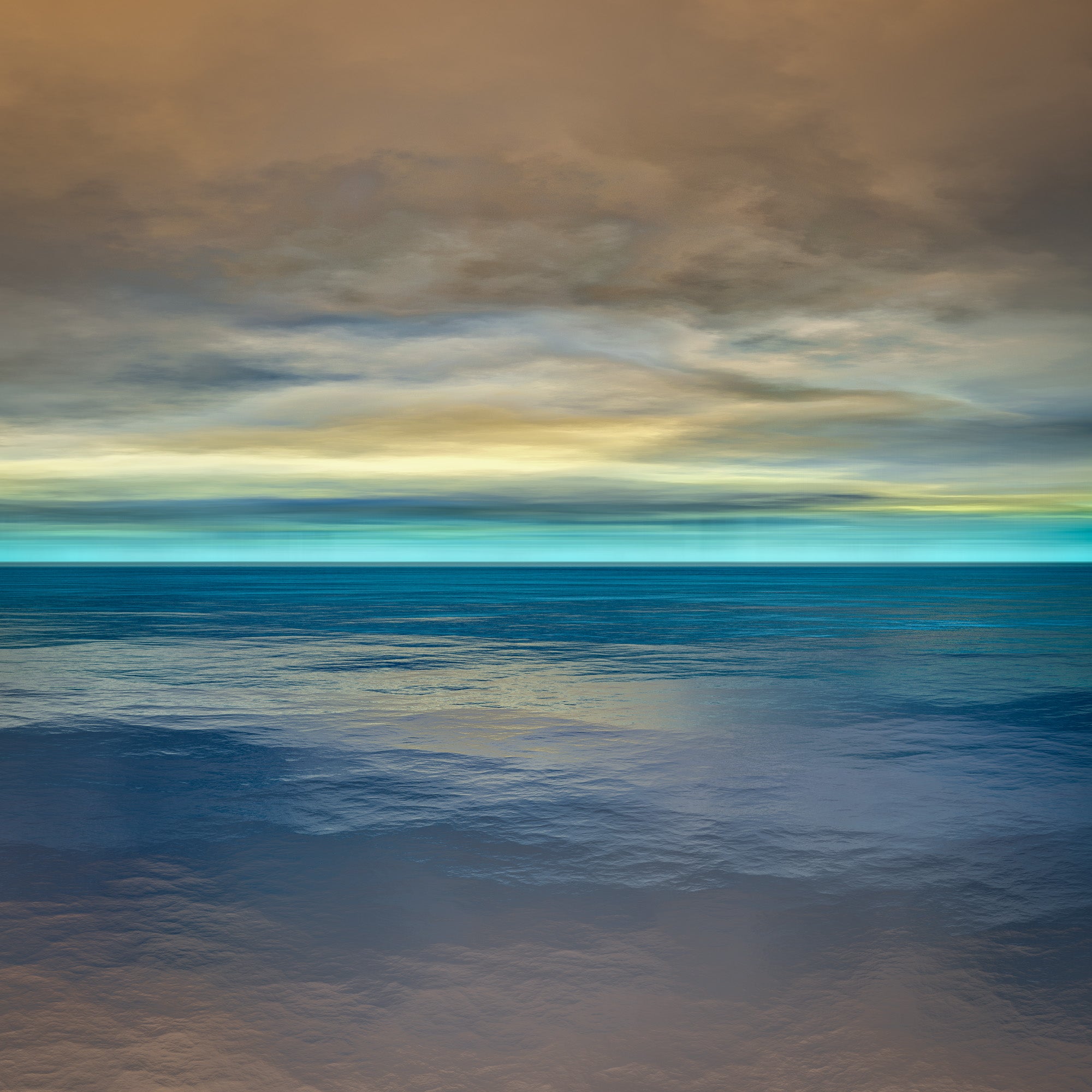
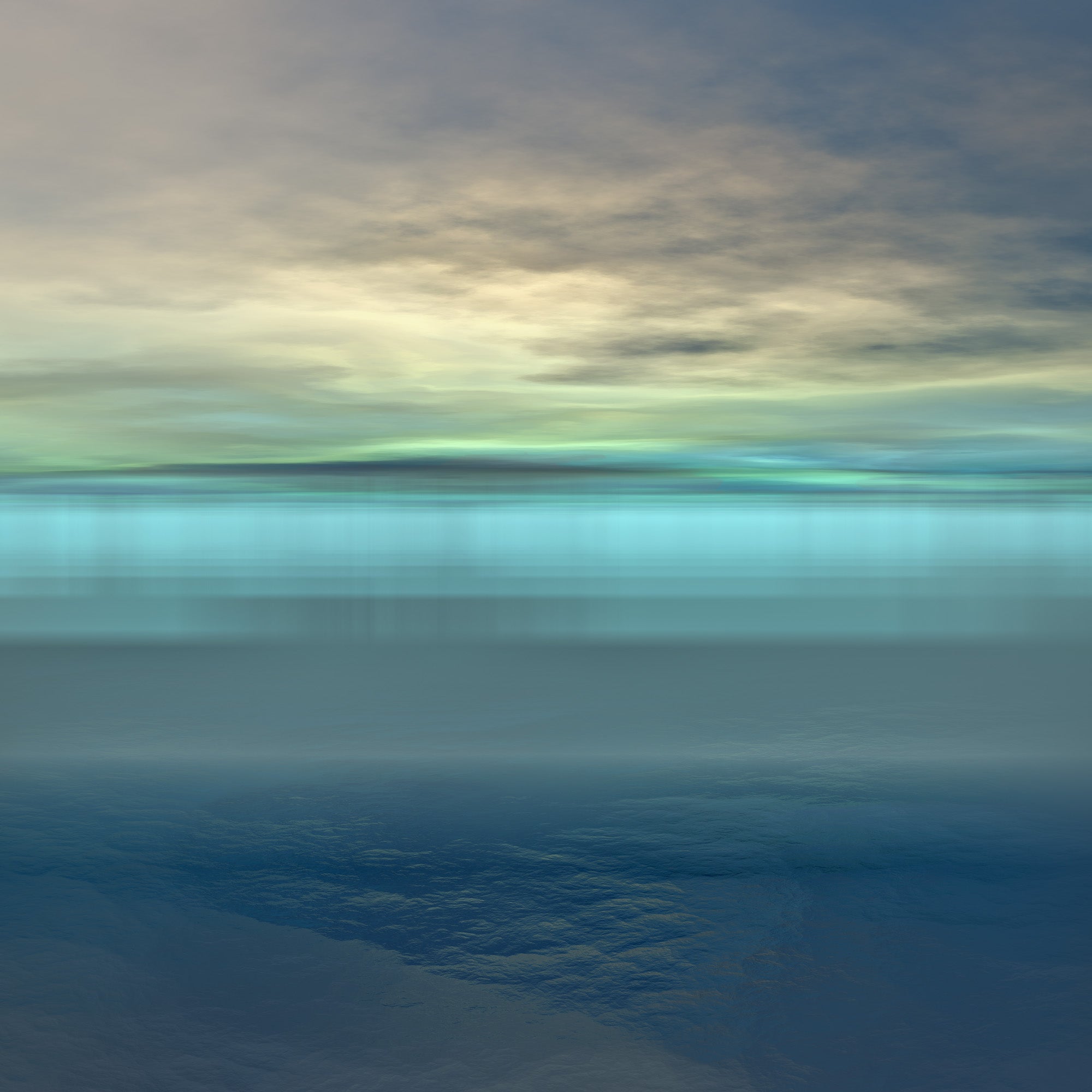
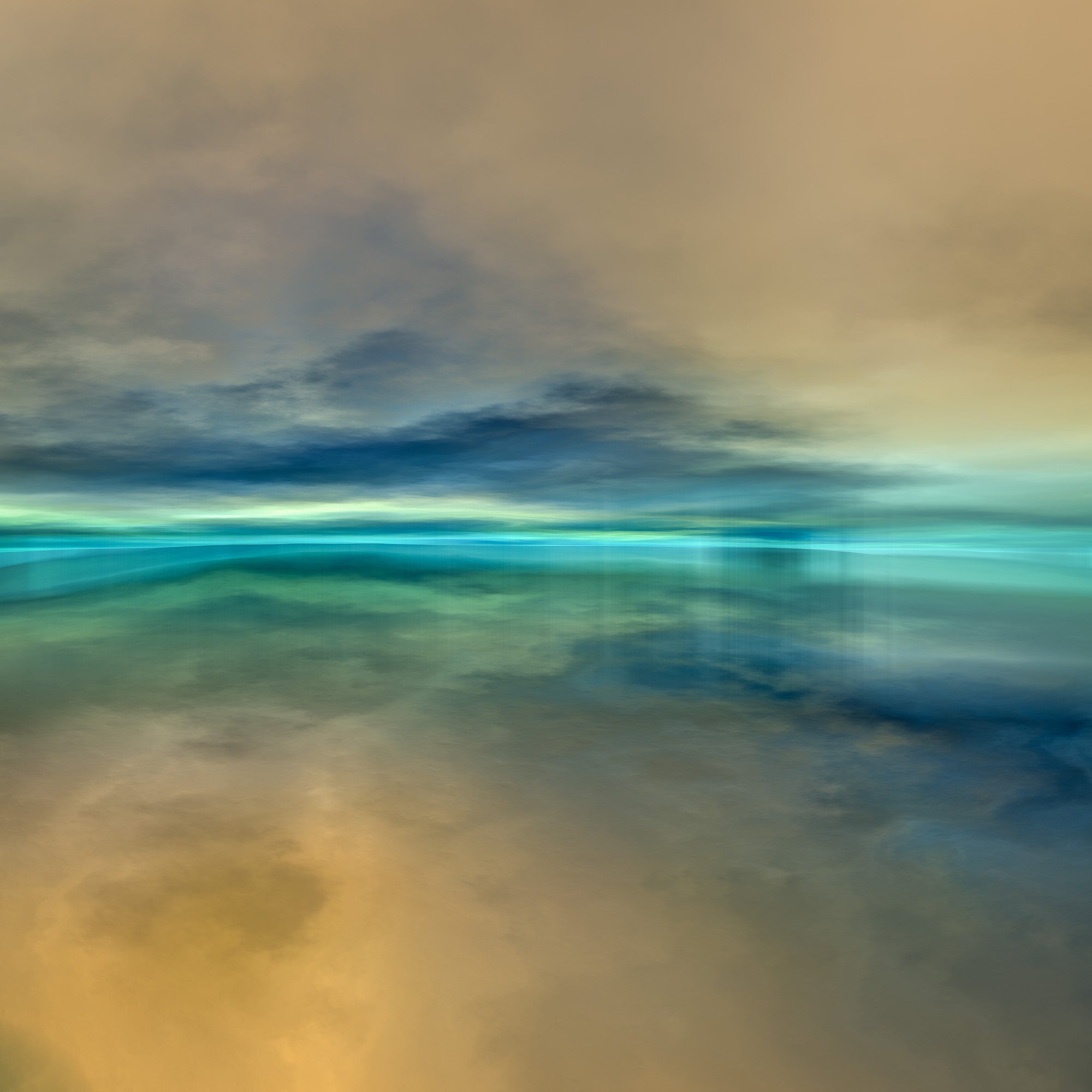
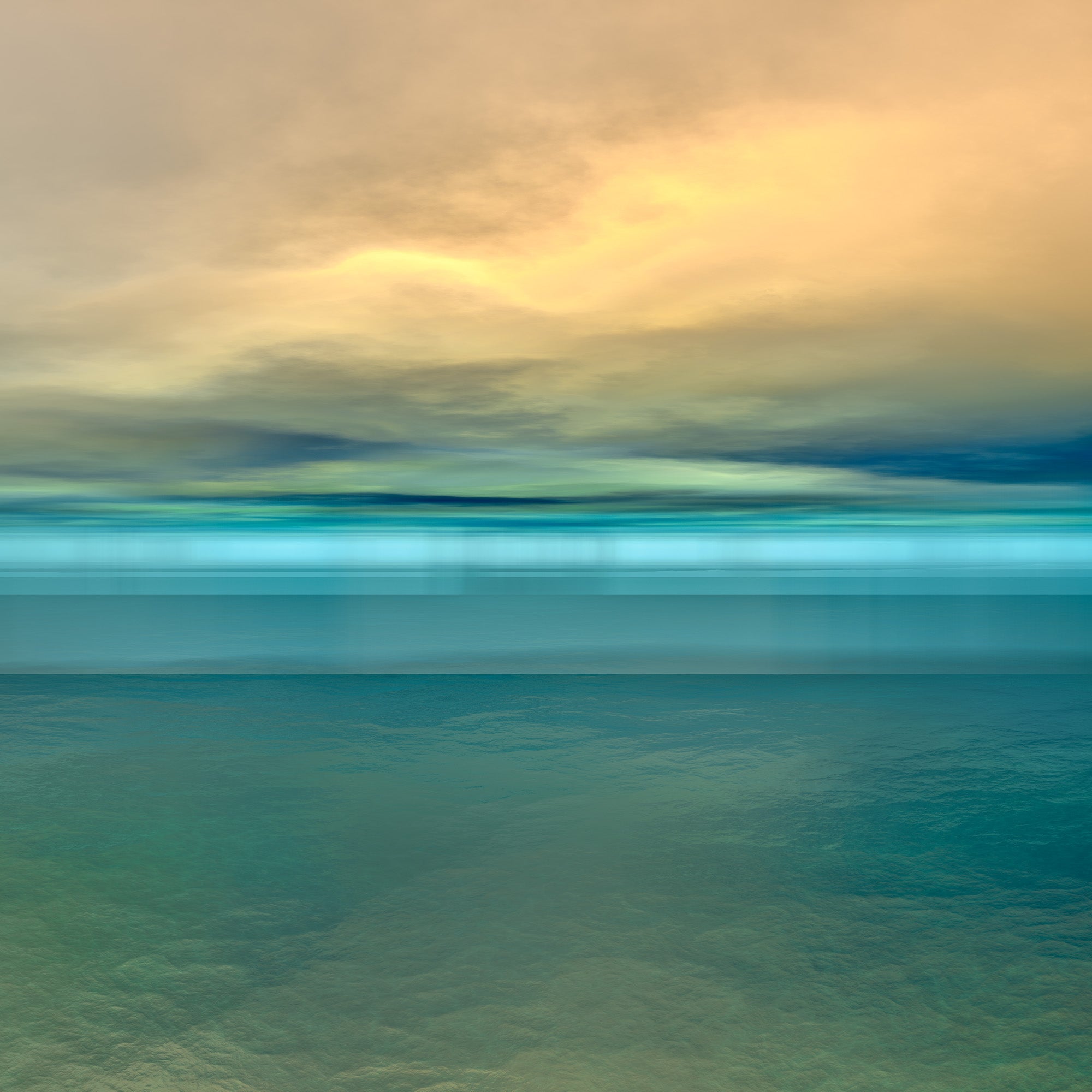
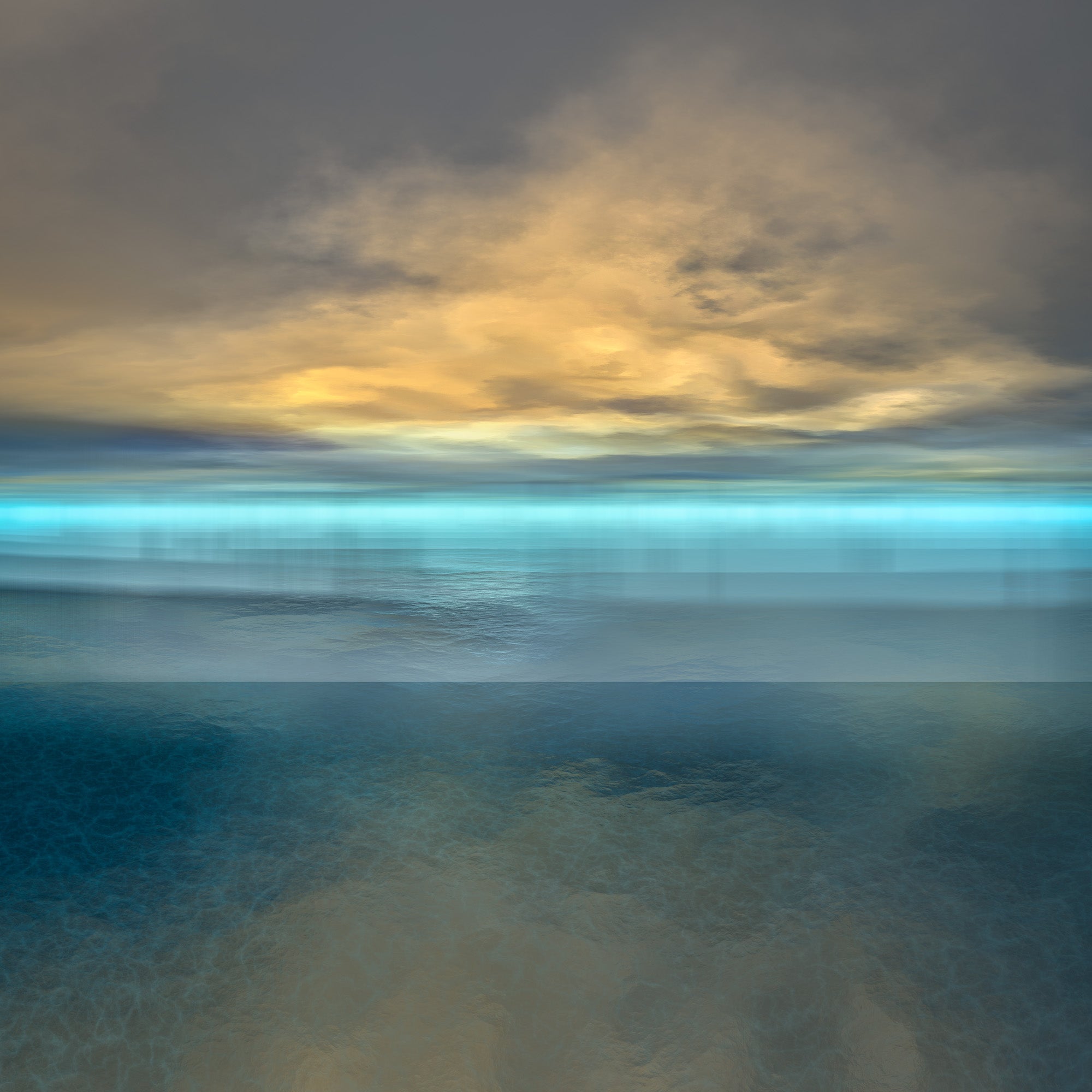
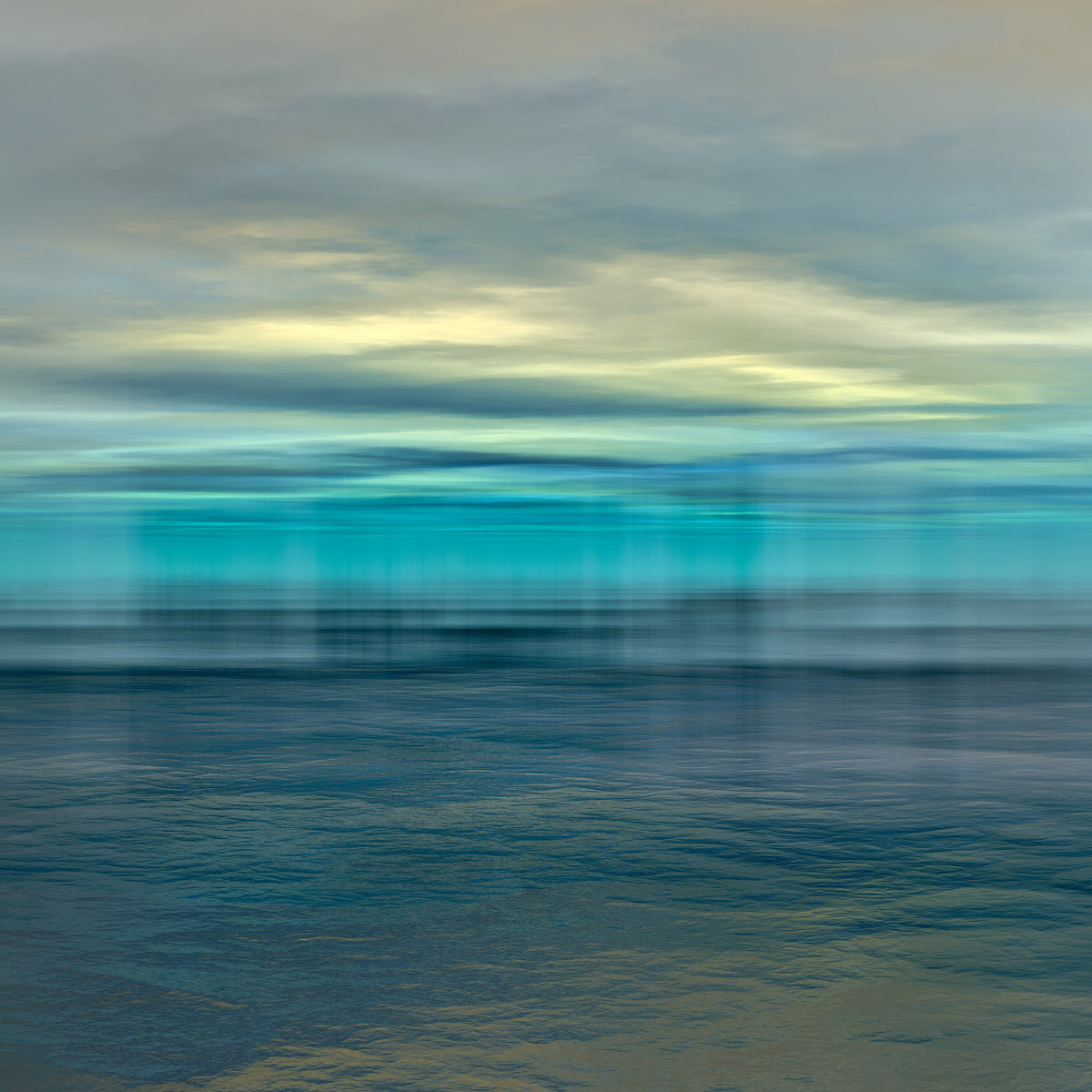
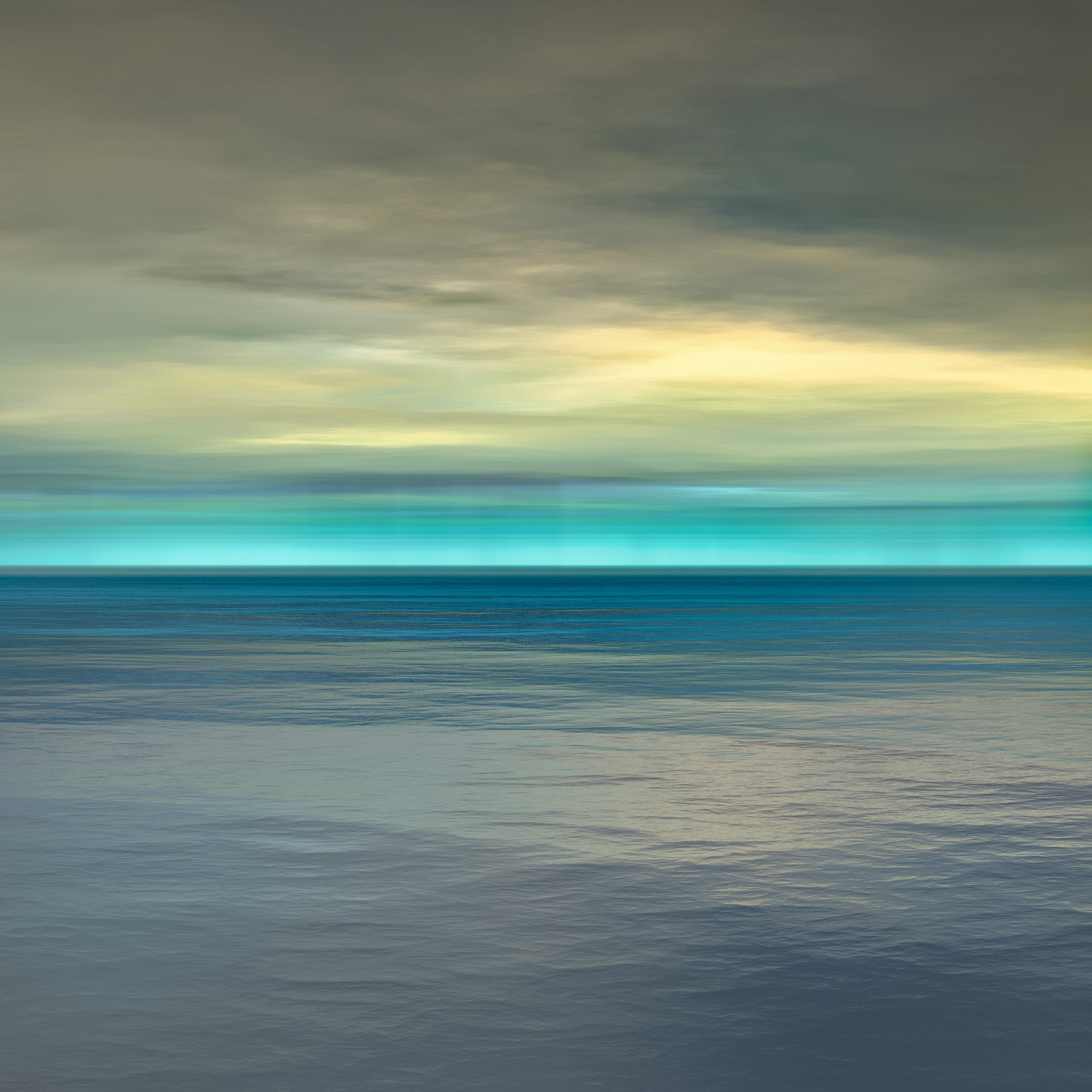
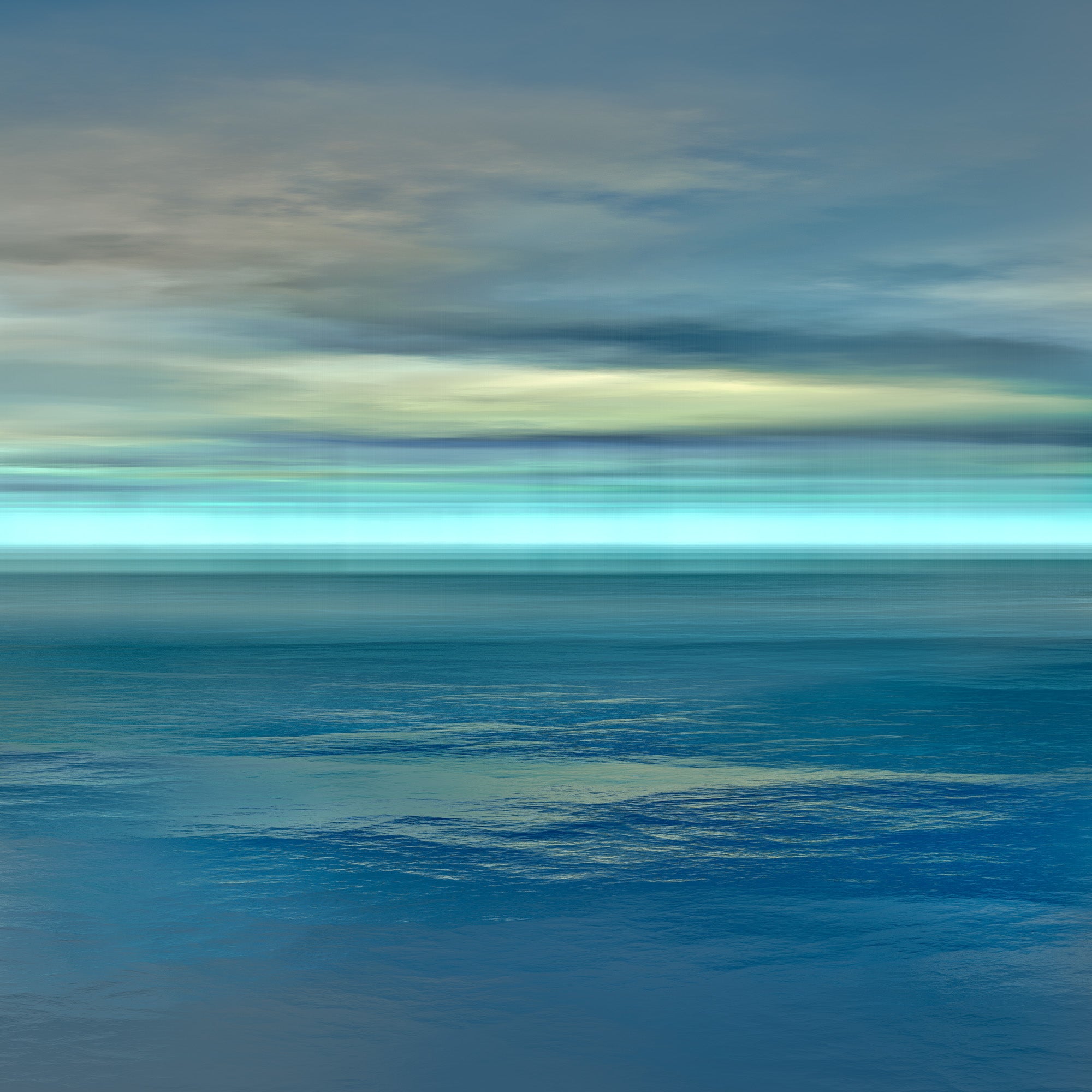
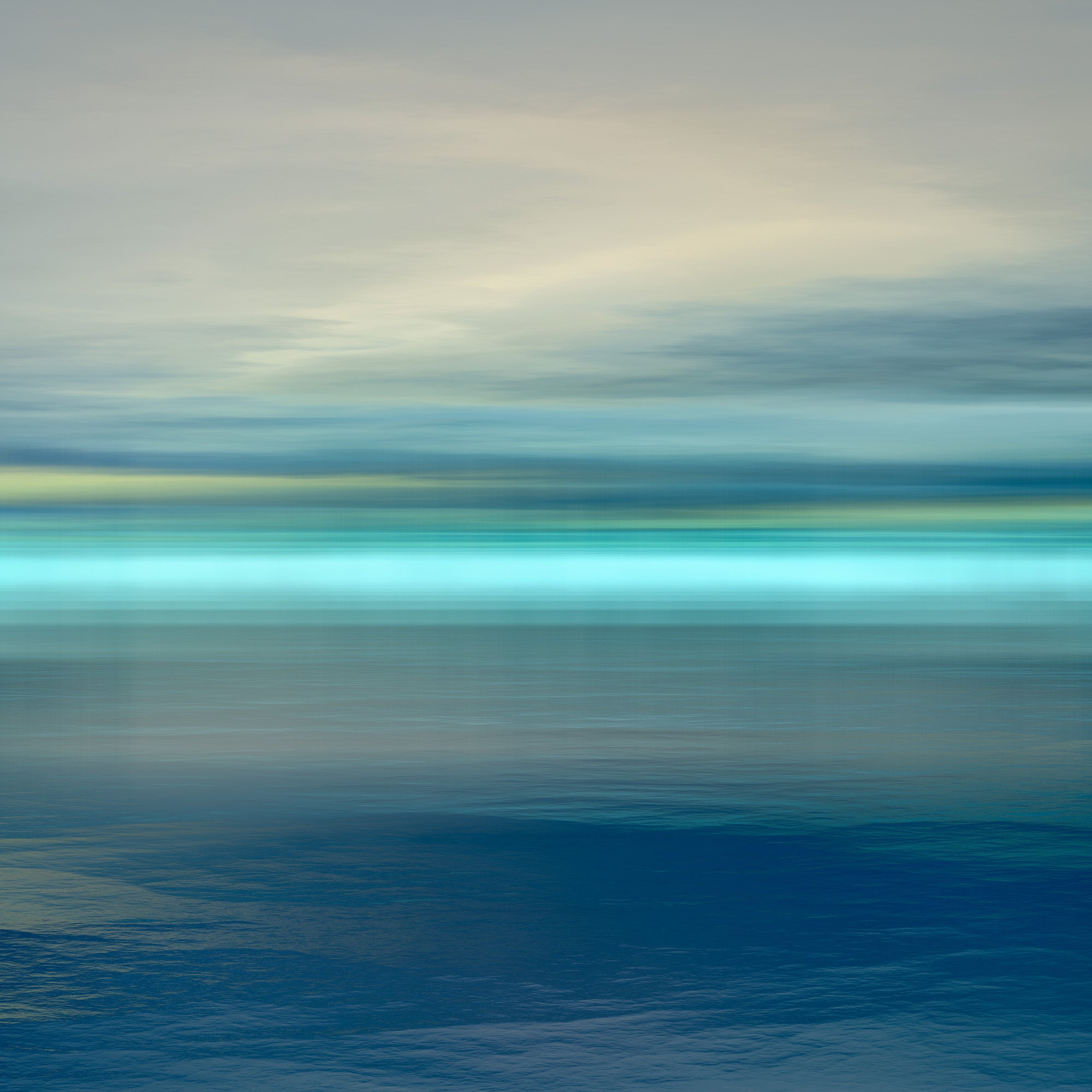
He uses his expertise in photography to make virtual matrices on the computer. He seeds the code with new materials, causes accidents and tampers with mathematical logic to generate luminous 'grounds', which he then explores as if he were venturing into a city, a desert, or a field. 'These panoramas do not correspond to a vision, he says: they are space-time cuts from digital matter transformed by algorithms. I don't draw these places: I implement possibilities.'
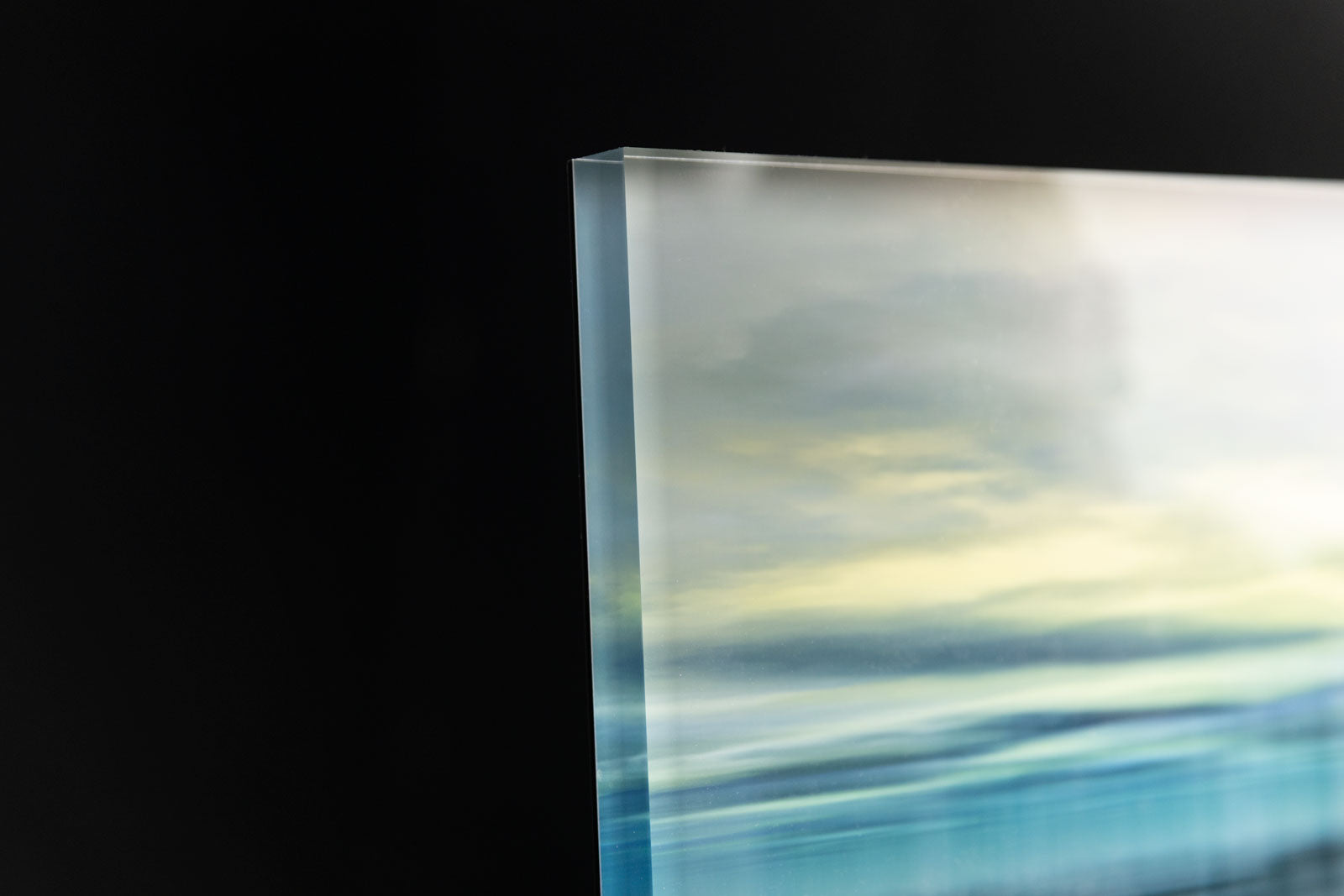
To enhance the strong presence he demands of his work, Rioux has become an archival printing expert who specializes in producing very large formats with fine details and colorings of a rare luminosity. He has won multiple prizes and distinctions, and has exhibited at Cube Art Fair 2021, among others. Please contact him directly by email or on Instagram to arrange a private virtual showing, a studio visit, or to discuss sale details
Paul-Émile Rioux studies cinema at Concordia University then communication at the University of Quebec in Montreal. He subsequently devoted himself to photography for more than twenty years, during which his work earned him several awards and distinctions, notably the Grand Prix Lux (Quebec and Canada) for digital creation in 2000 and 2001. The development of new digital media combined with the expertise acquired through the practice of professional photography has given rise to a powerful and visionary body of work.
The artist presents grandiose panoramas showcasing urban territories that stretch to infinity. These images, seemingly photographic but entirely created from a digital matrix, evoke a futuristic vision of our world. They are reminiscent of works from science fiction literature and film, lending them the evocative power of the archetype. Paul-Émile Rioux's panoramas also stand out from science fiction imagery in that they are entirely composed of abstract elements. The megacities they appear to depict are illusory; they only take shape through the viewer's gaze, which spontaneously seeks to identify what it sees based on abstract forms. The images give rise to a play of dissonant interpretations, causing the viewer's gaze to oscillate between recognizing the familiar contours of a city and the pictorial components of the work, which contradict any figurative intention. The artist thus questions our perception of the world and critiques current economic choices and their ecological consequences by proposing futuristic visions in which wild and natural spaces have disappeared, replaced by territories entirely domesticated by humankind.
Paul-Émile Rioux's panoramas follow a photographic logic. They are the result of a process—a framing choice—to extract an image from a vast virtual space. The extremely complex abstract territories from which the panoramas are drawn result from the implantation of various materials in a digital matrix and the deliberate instigation of accidents through software, leading to a random transformation of the original elements. The artist intervenes at this stage only to foster a chaos from which, at the opportune moment, he will extract an image. The panoramas, therefore, do not originate from the artist's desire to construct a virtual territory corresponding to a vision, but rather from a slice of space-time within a digital material transformed in a viral fashion by algorithms.
The result is a large-format image printed on photographic paper whose extremely contemporary style reflects our relationship to the world, which now deals with both matter and the virtual, and which sometimes struggles to draw the line between reality and fiction.