Jean Paul Riopelle (1923–2002) was a leading figure in Canadian modern art and a signatory of the 1948 *Refus global* manifesto. Trained in Montreal and associated with the Automatistes, he developed a distinctive approach to abstraction, building dense, mosaic-like surfaces with a palette knife. His practice evolved across painting, printmaking and sculpture, while nature remained a defining source. Internationally recognized, Riopelle’s work is held in major museum, corporate and private collections in Canada and internationally.Jean Paul Riopelle was born in Montreal on October 7, 1923. From a very young age, he developed an interest in drawing, painting, and observing nature. As a teenager, he studied under Professor Henri Bisson. This education shaped his perspective on landscape, light, and the living world—elements that would mark his entire body of work.
After attending the École Polytechnique de Montréal and the École des Beaux-Arts, he studied at the École du Meuble. His encounter with Paul-Émile Borduas there proved pivotal. Through his contact with the Montreal avant-garde, Riopelle quickly abandoned academic approaches to develop a freer, more spontaneous style of painting. He participated in the emergence of the Automatistes, a crucial group in the history of modern Quebec art that emphasized the spontaneity of gesture and the exploration of the unconscious.
In 1948, Riopelle signed the Refus global manifesto , a seminal text in contemporary Quebec culture. The manifesto criticized the conservatism of the time, attacked the dominant rational order, and demanded greater artistic and intellectual freedom. This stance made Riopelle a pivotal figure in the cultural modernization of Quebec.
From the second half of the 1940s, Riopelle also traveled to New York and Paris, where he discovered other artistic scenes and became close to Surrealist circles. These experiences nourished his approach and reinforced his desire to develop a painting free from conventions.
In the late 1940s, the artist settled in Paris with his wife Françoise Lespérance, with whom he had two daughters, Yseult and Sylvie. There, he discovered a rapidly changing artistic environment and quickly established a unique voice among post-war painters. He frequented numerous artists and writers, including several members of the Surrealist movement.
In Paris, he frequented several influential artists, writers, and gallery owners. This period allowed him to integrate into the international networks of modern art. His first solo exhibition drew attention to the strength and character of his painting. He quickly became one of the most visible Canadian artists in Europe.
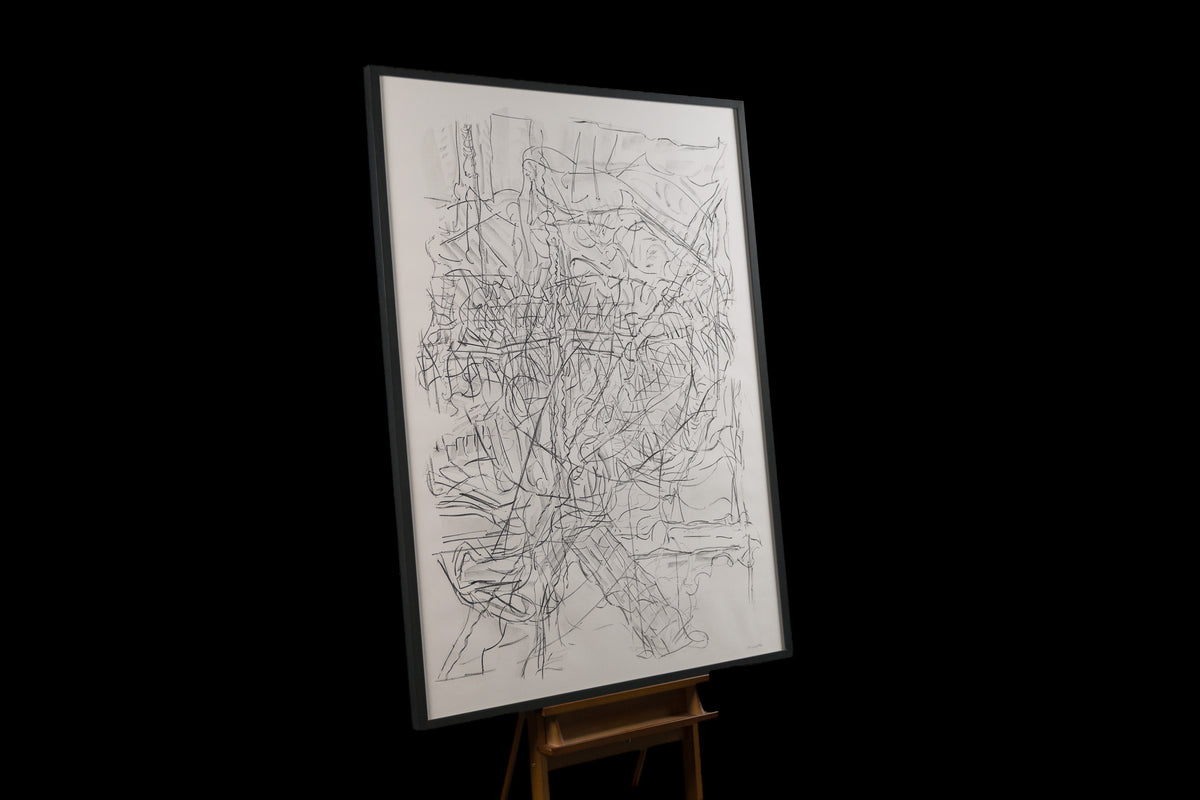
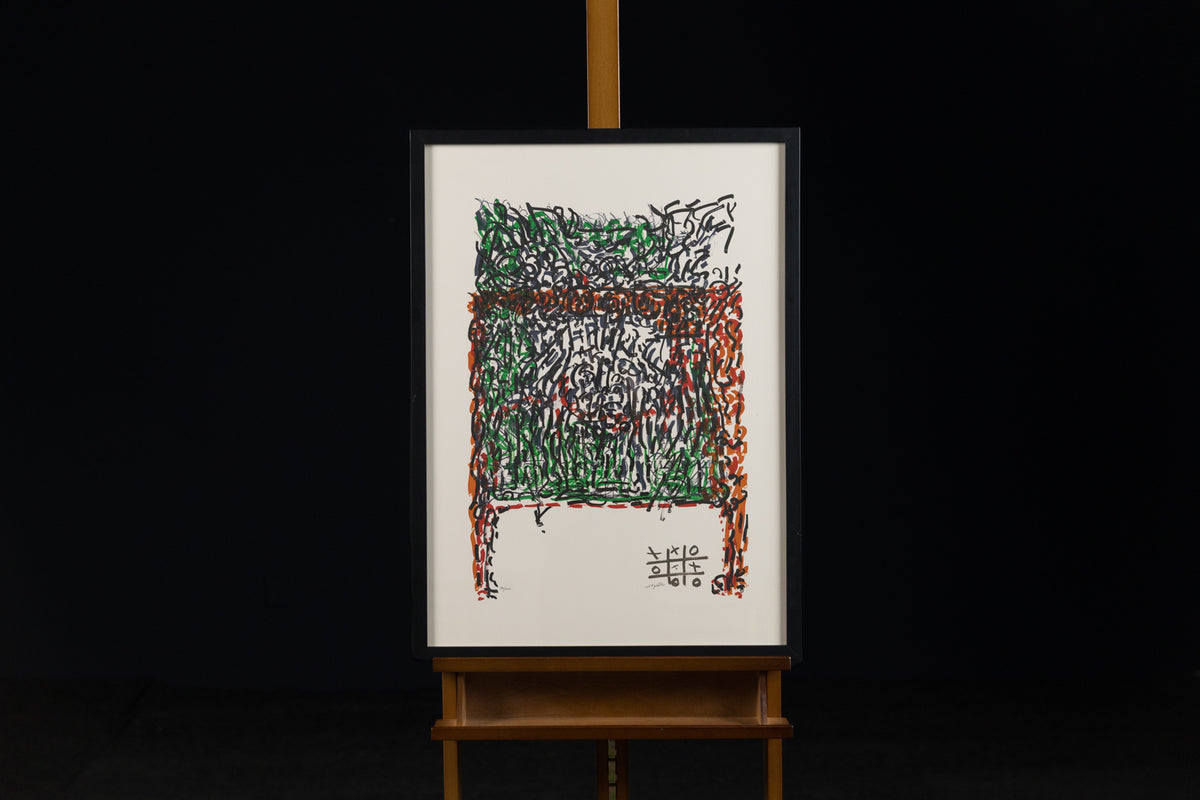
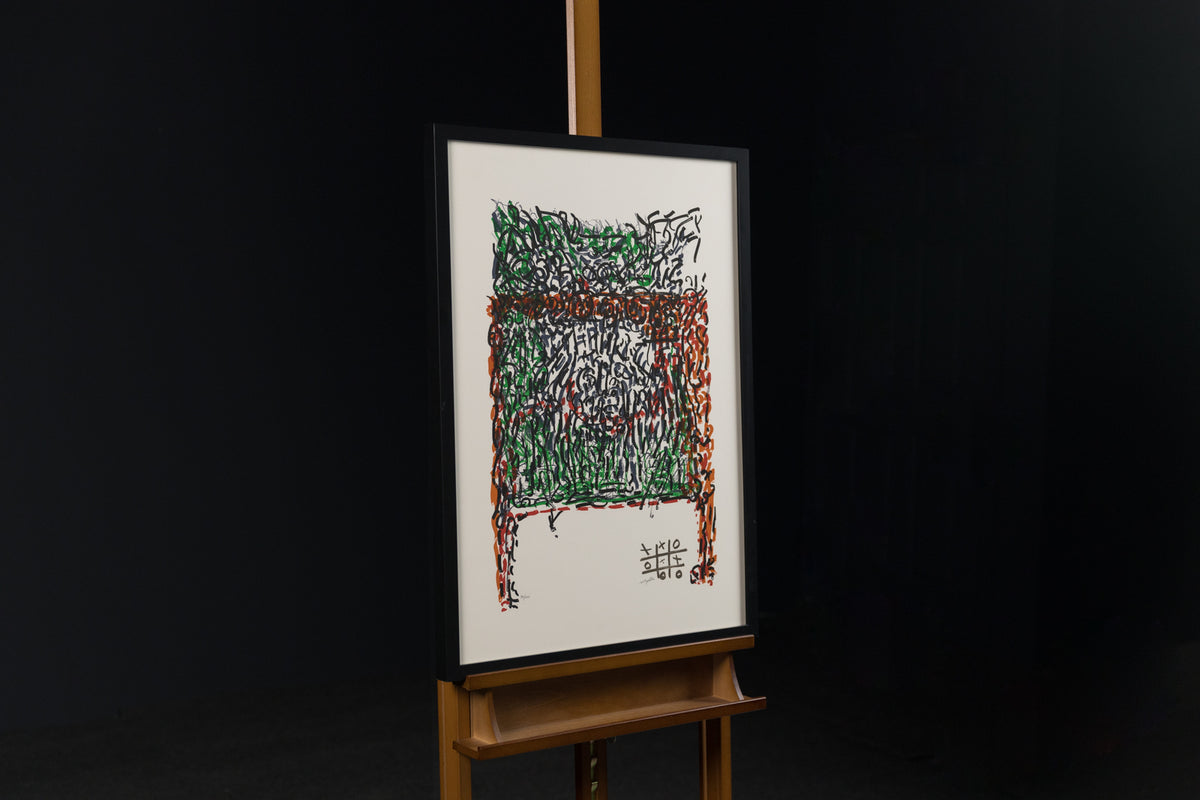
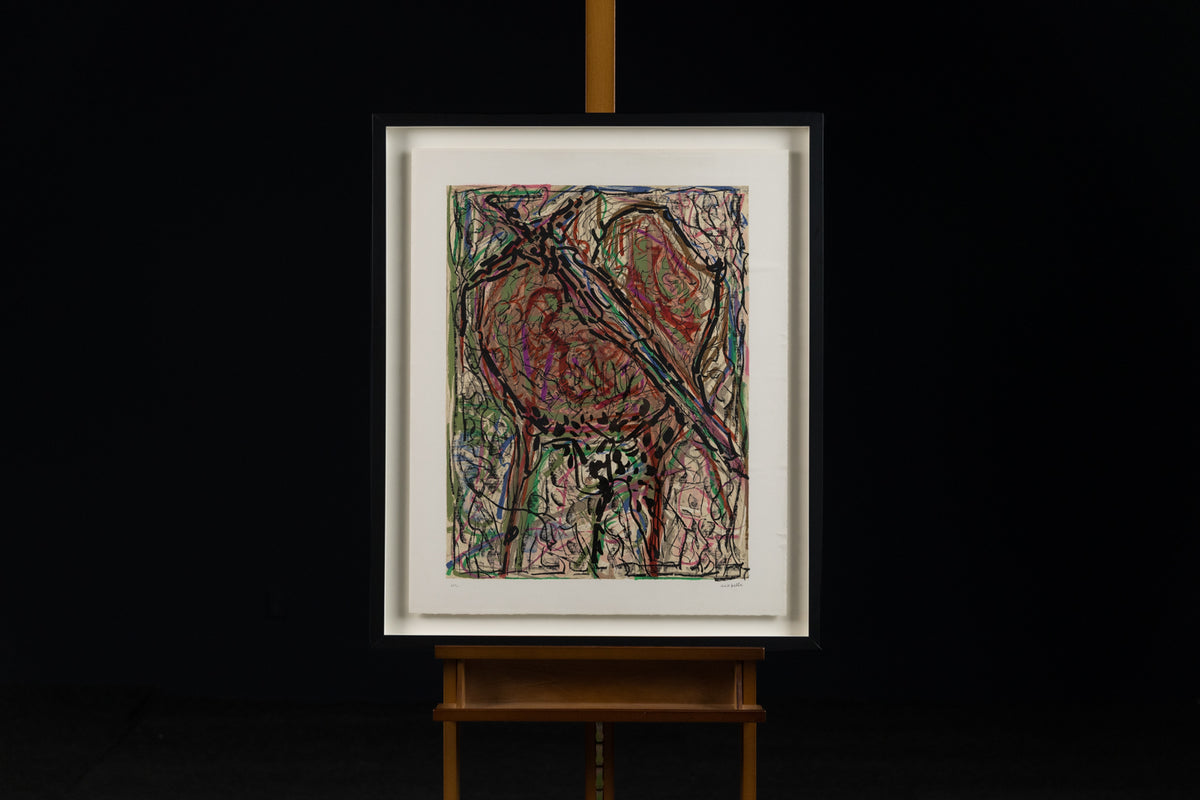
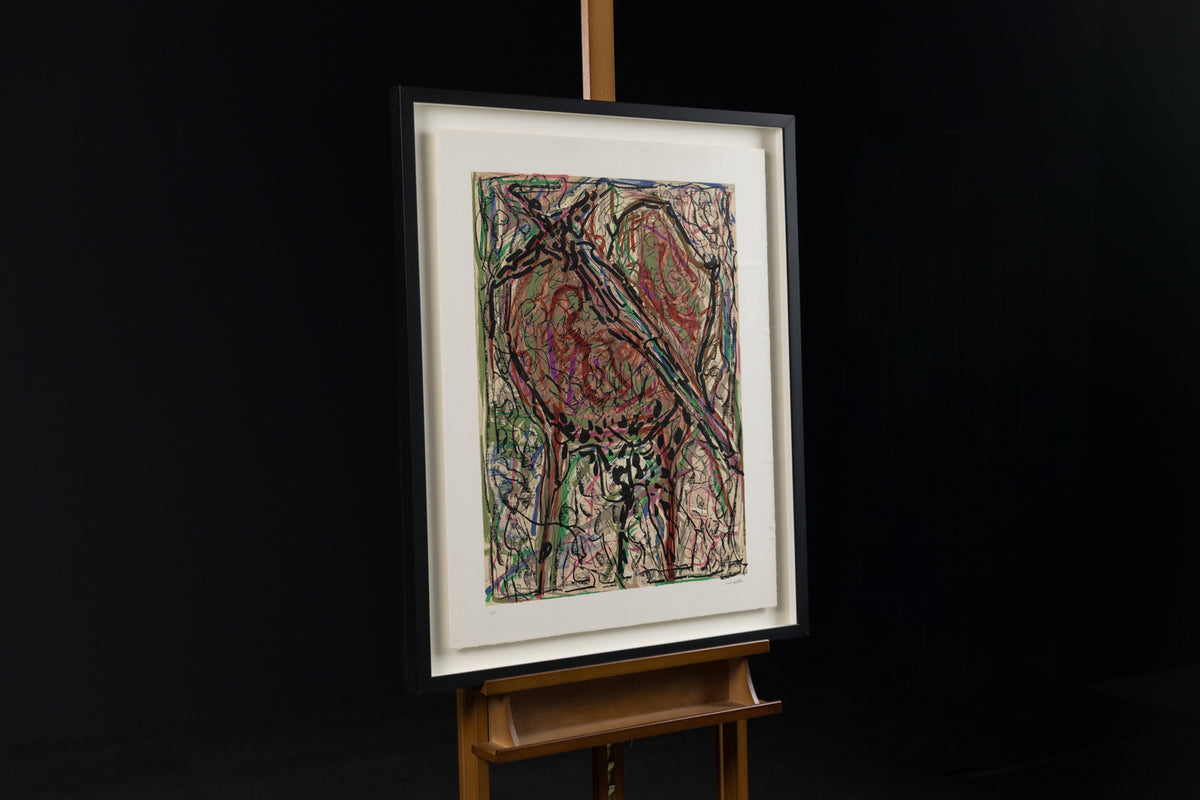
In the 1950s, Riopelle developed the large compositions that would make him famous. His canvases are constructed by accumulations of thick brushstrokes and colored fragments applied with a palette knife. This technique, often compared to a mosaic, gives the painting a strong material density.
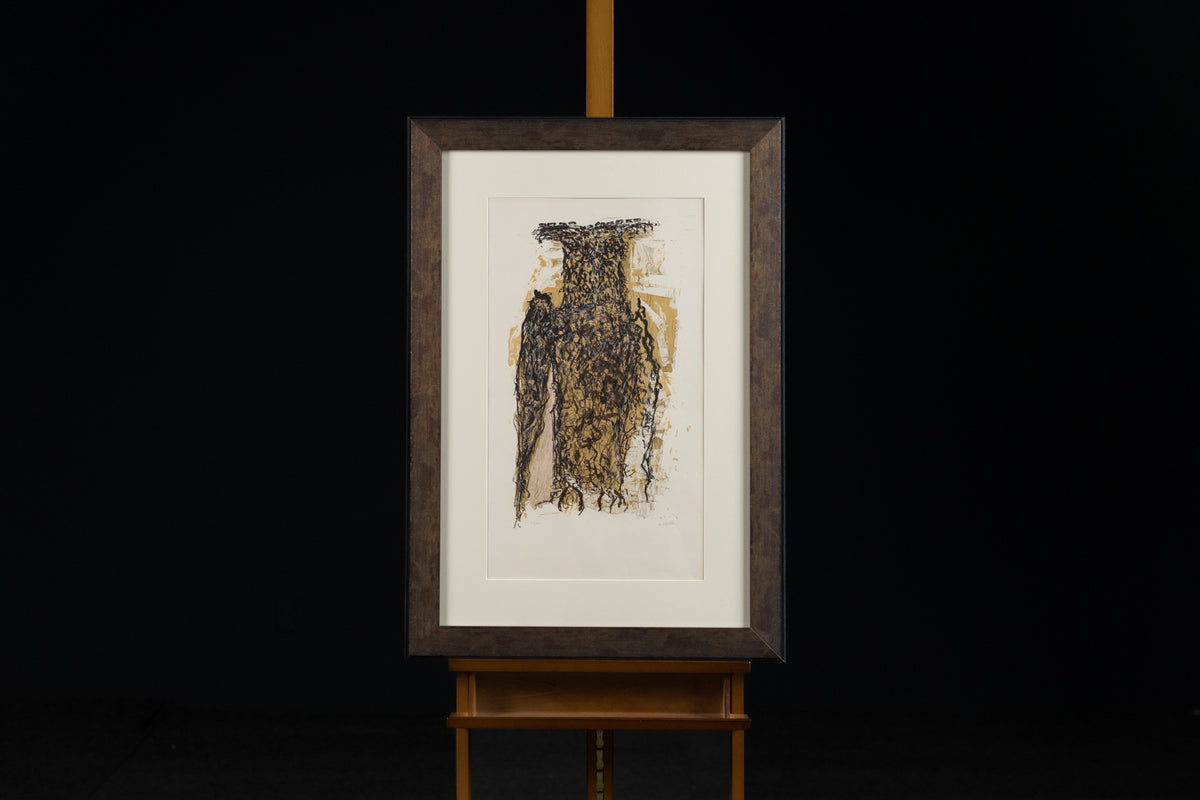
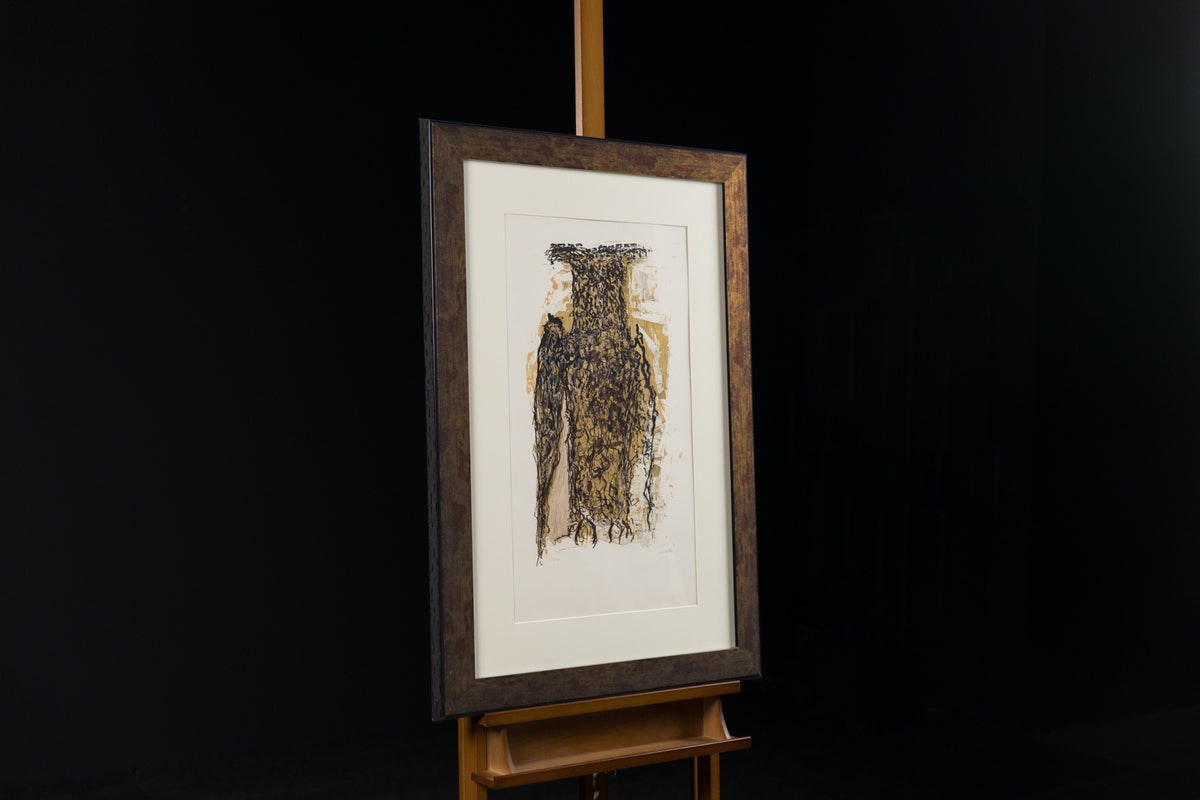
Although his work is sometimes compared to abstract expressionism and lyrical abstraction, Riopelle rejects overly rigid categories. For him, nature remains an essential source of inspiration. His works evoke landscapes, ice, foliage, migratory birds, and atmospheric phenomena without directly representing reality.
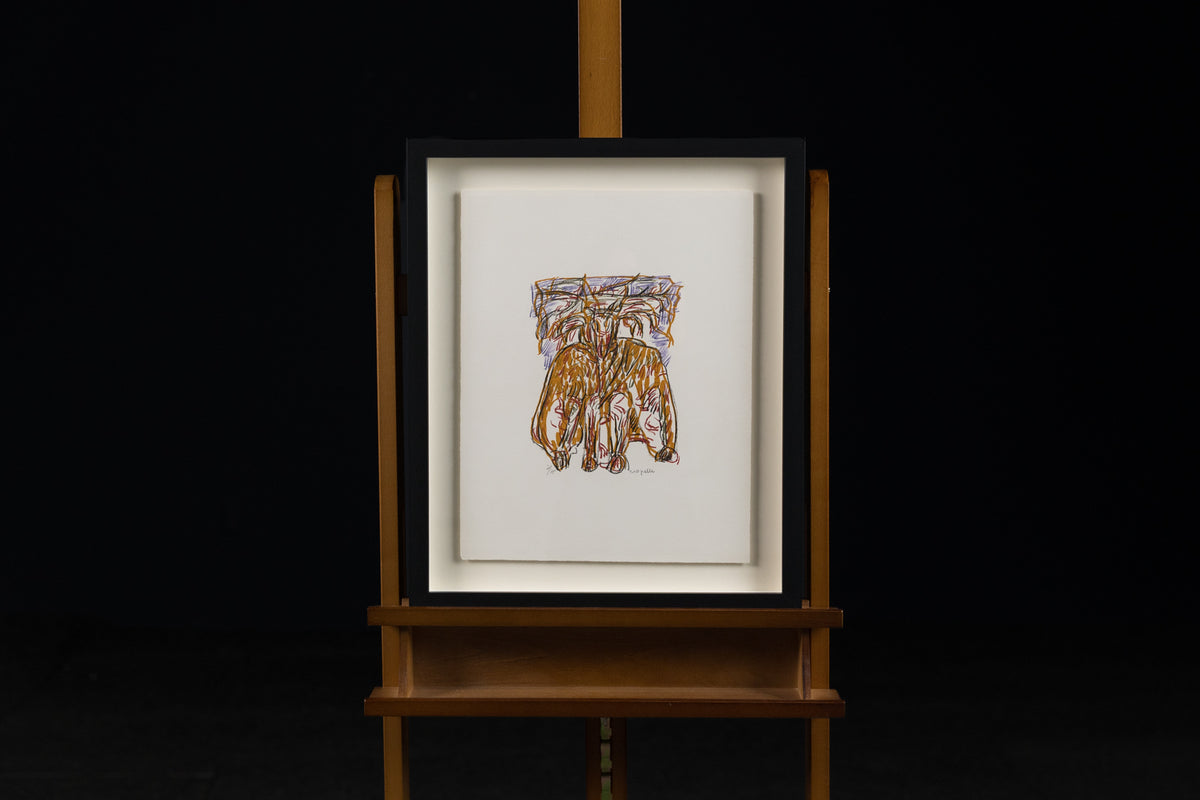
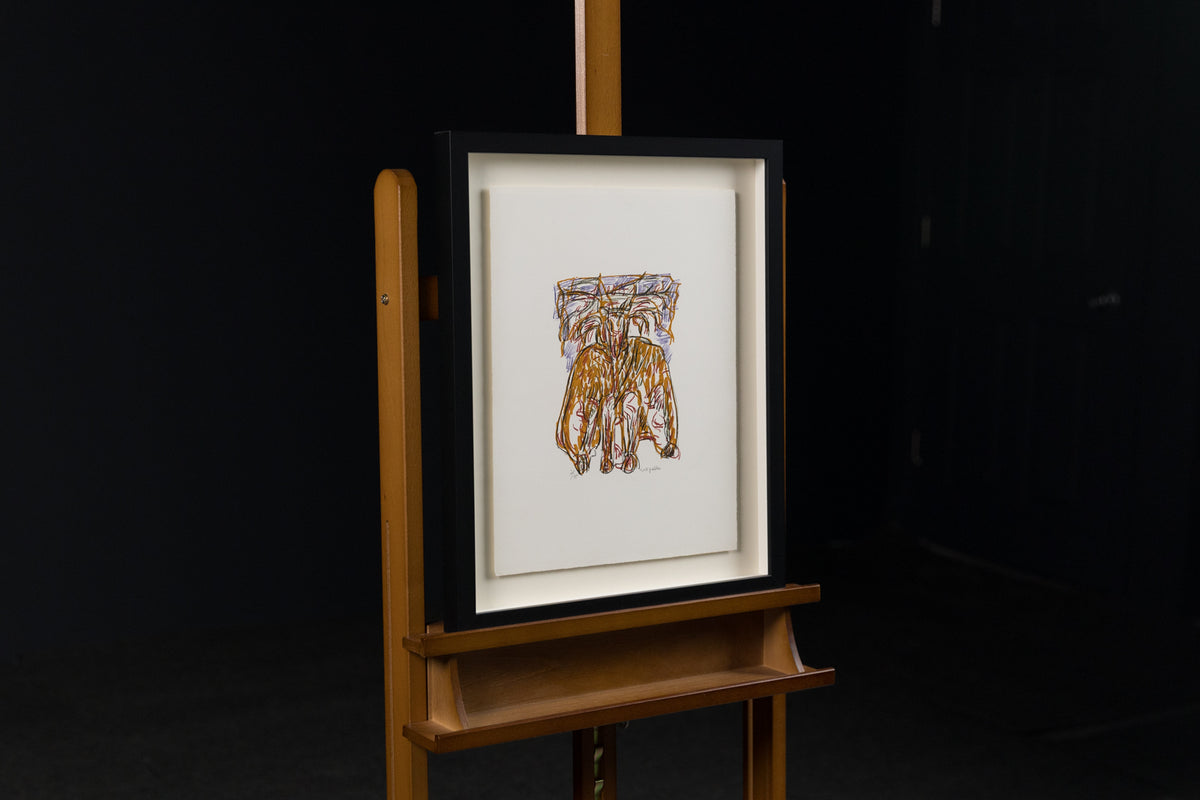
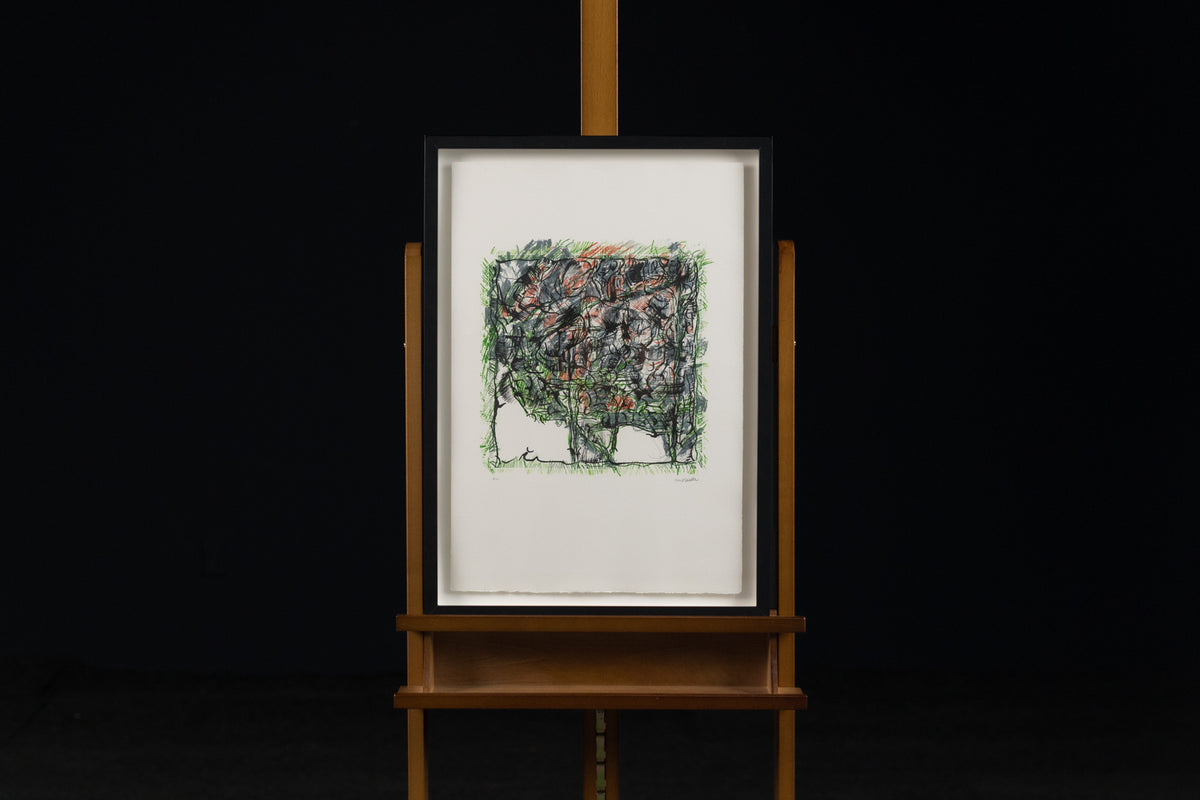
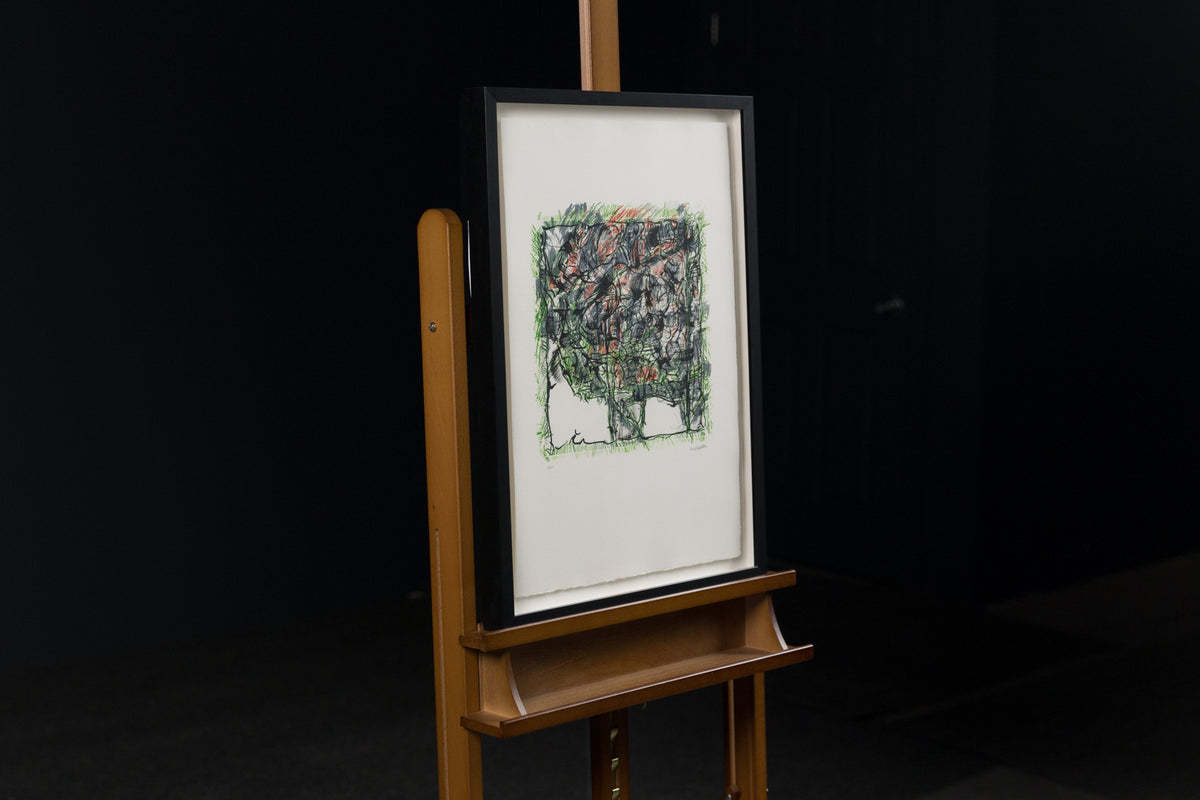
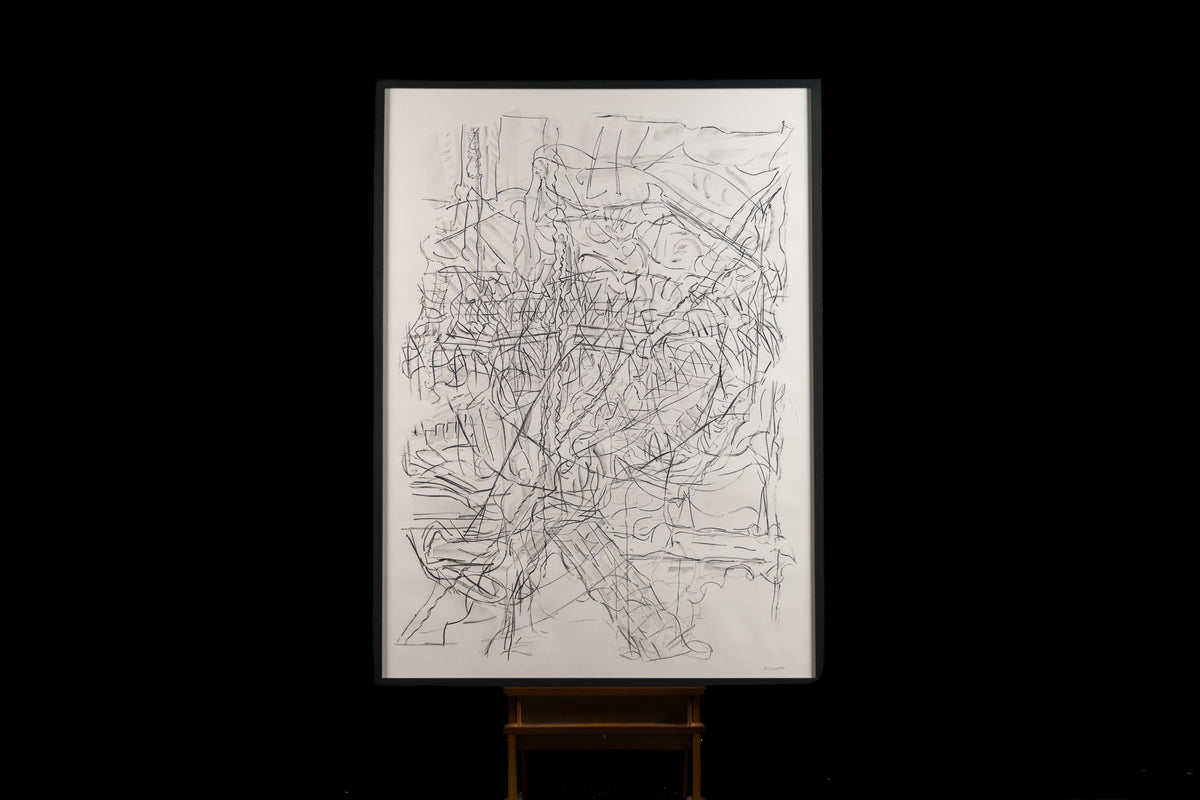
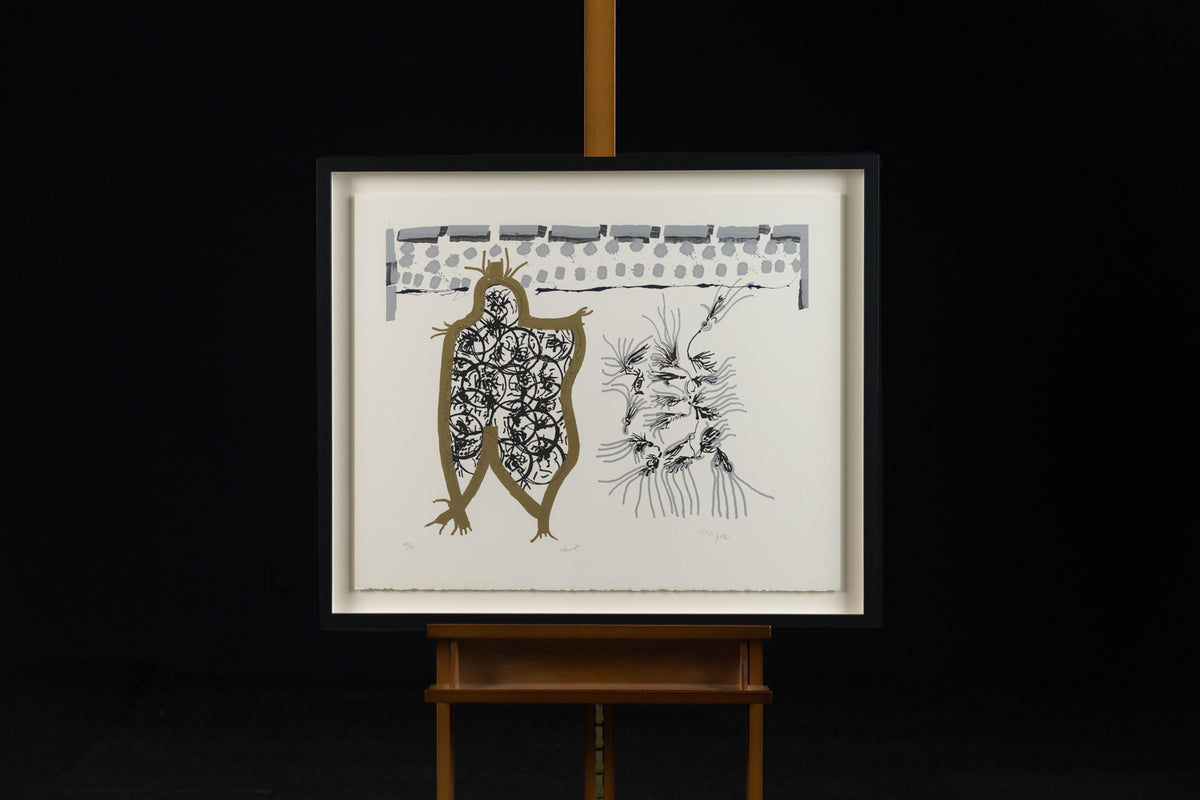
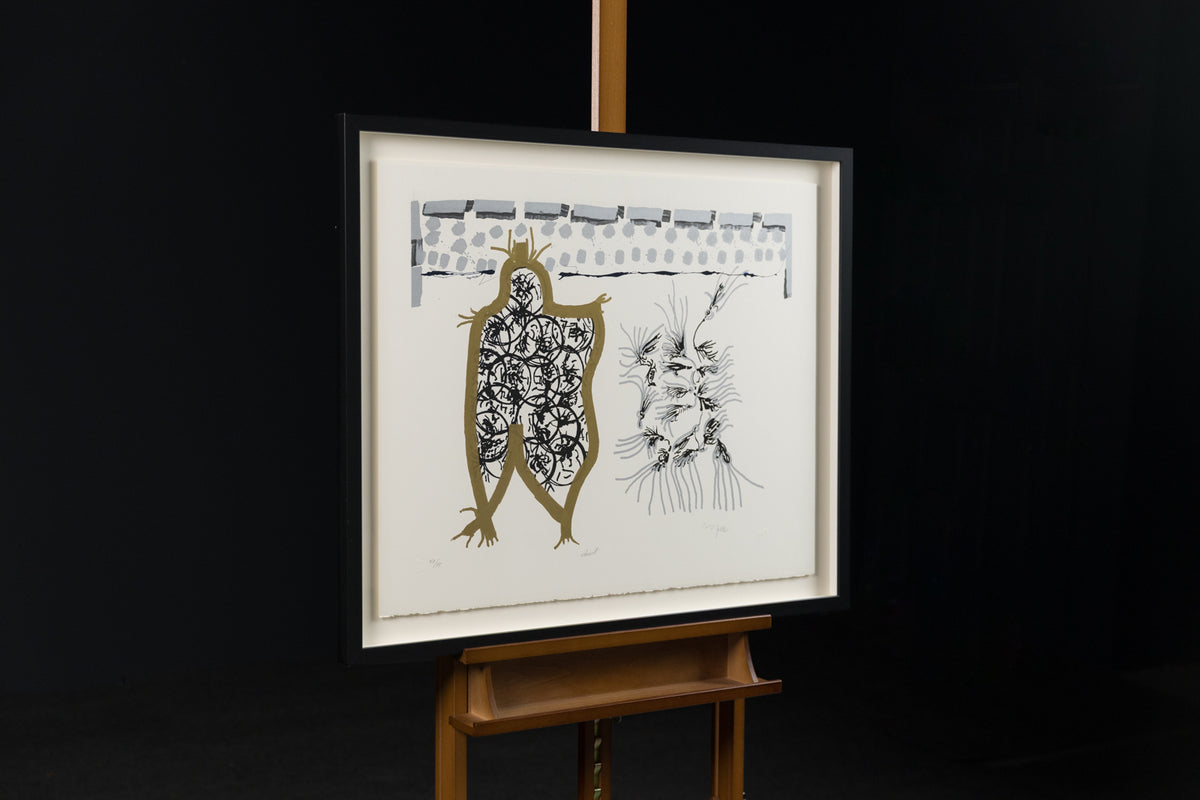
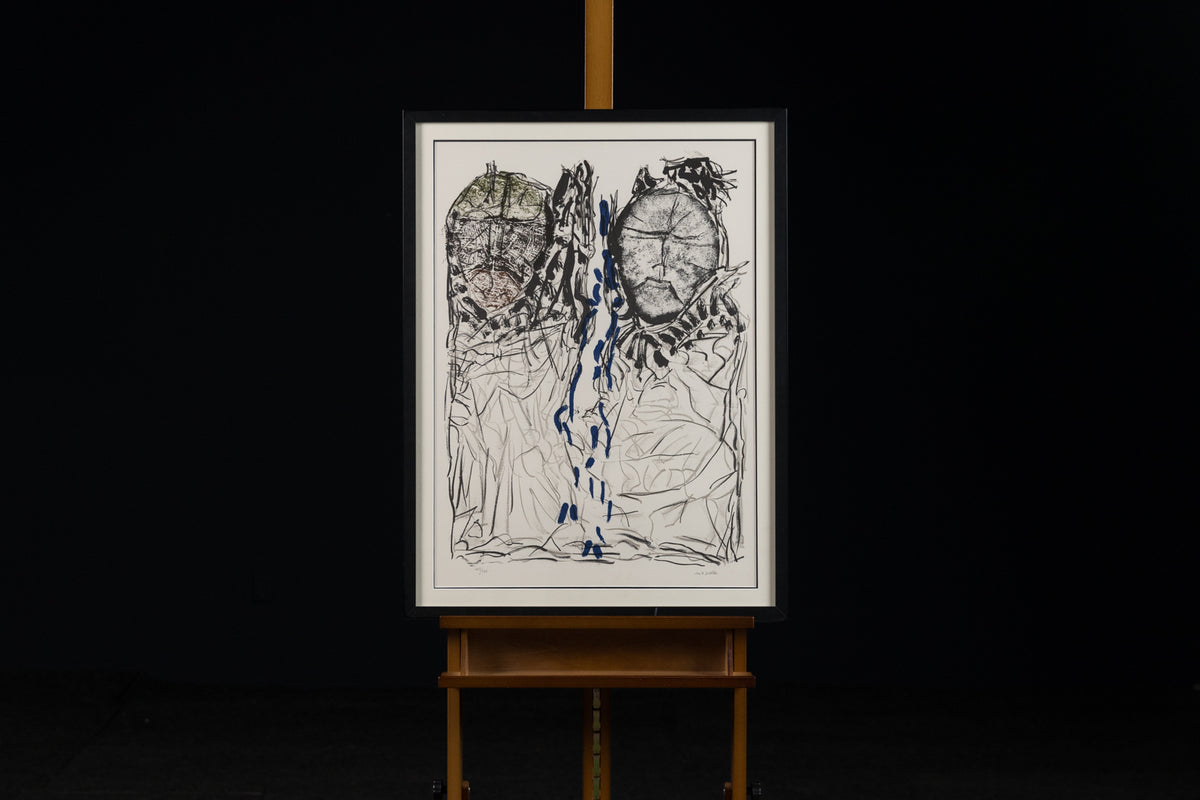
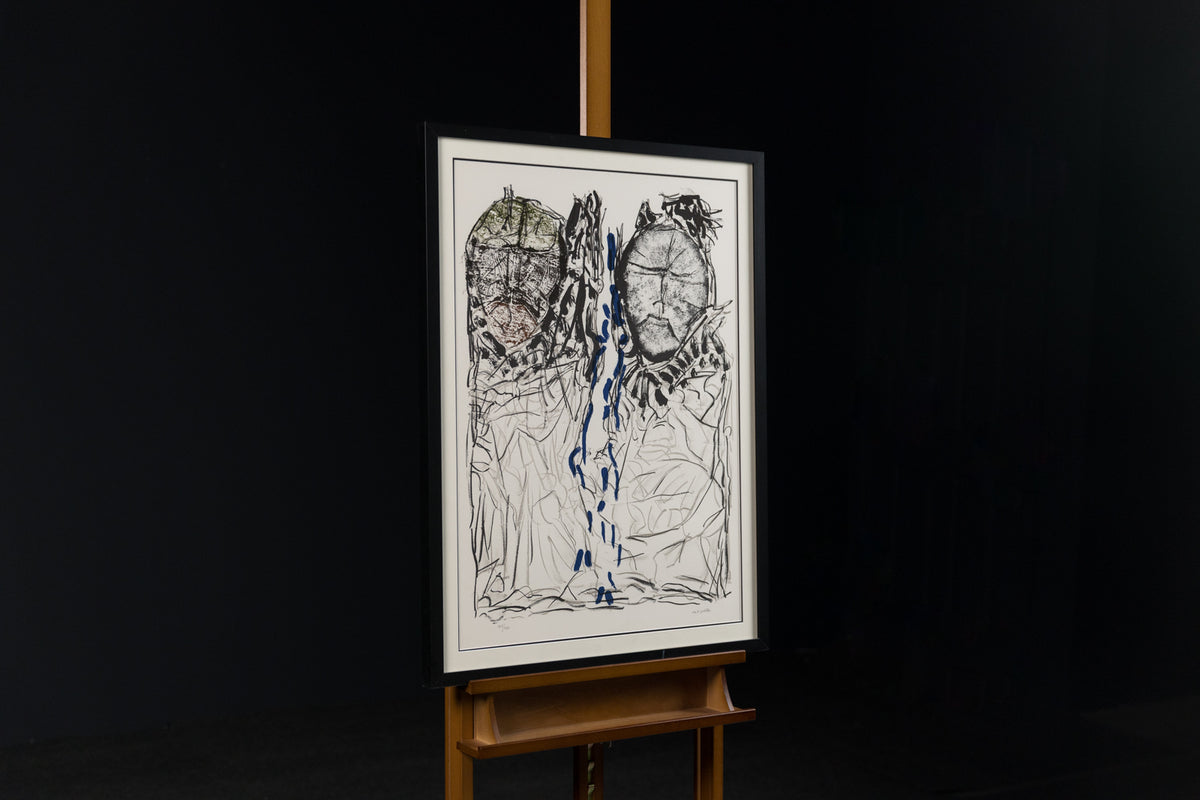
In addition to painting, Riopelle explored engraving, lithography, sculpture, bronze, and various mixed media techniques, including some processes involving aerosols. This constant curiosity testifies to his interest in the material possibilities of art.
Riopelle embodies the creative fervor and openness of Quebec art to the world. His career illustrates how an artist born in Montreal profoundly transformed the history of modern art in Quebec and Canada.
In 1981, he received the Paul-Émile-Borduas Prize, the highest distinction awarded by the Quebec government, for his outstanding contribution to the visual arts. That same year, a retrospective of his paintings was organized by the Musée National d'Art Moderne in Paris, and subsequently presented in Quebec City, Montreal, Mexico City, and Caracas.
He received several honorary doctorates , including those from the University of Manitoba (1972) and McGill University (1968). He was elected a Companion of the Order of Canada in 1969 and won the Grand Prix de la Ville de Paris (1985). He was made a Grand Officer of the National Order of Quebec in 1994.
Considered one of the most extraordinary artists of his generation, he died on March 12, 2002, on Île-aux-Grues. A state funeral was held in his memory by the Government of Quebec. He left behind a considerable body of work, still featured in museums, exhibitions, and publications dedicated to modern art.